Home/Plants/Apricot Tree

Apricot Tree

Prunus armeniaca

tree

A moderately hardy deciduous tree originating from Central Asia, valued for its sweet, fragrant orange fruits rich in vitamin A and fiber. Apricot trees bloom early in spring with delicate pink or white flowers, and are self-fertile in many cultivars. They typically reach 20–30 feet and require well-defined winters and warm growing seasons for optimal fruiting.
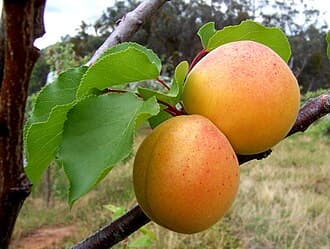
Apricot Tree

Common Problems

Select the problem your Apricot Tree is experiencing to get a treatment guide.

Care Guide

light_mode
Light
Full sun (8+ hours daily) is essential for fruit production and ripening; insufficient light results in poor yields and weak growth.
water_drop
Water
Moderate, consistent watering during growing and fruiting seasons. Reduce watering in late summer to encourage ripening. Once established, fairly drought-tolerant.
compost
Soil
Well-draining sandy loam or loamy soil with pH 6.0–7.5. Avoid heavy clay and waterlogged conditions, which promote root rot. Mulch to maintain even moisture.
science
Fertiliser
Apply balanced fertilizer in early spring. Use phosphorus-rich fertilizer in mid-summer to support fruit development. Reduce nitrogen application to avoid excessive foliage.
thermometer
Temperature
Prefers moderate winters and warm summers. Requires 600–900 chilling hours but buds are frost-sensitive; late frosts can damage blossoms and reduce yield.
humidity_percentage
Humidity
Low to moderate humidity. Ensure excellent air circulation to minimize fungal issues; avoid crowded plantings or sheltered sites.

Toxicity

dangerousToxic to CatsdangerousToxic to DogsdangerousToxic to Children

Fruit flesh is safe; seeds and leaves contain cyanogenic glycosides that release cyanide when digested.

Common Diseases

Common Pests

Seasonal Care

local_floristspring

Resume regular watering and feeding as growth picks up.

light_modesummer

Peak growing season. Water and feed regularly.

ecoautumn

Reduce watering as growth slows. Stop heavy feeding.

ac_unitwinter

Minimal watering and feeding. Protect from frost if needed.