Artichoke Globe
Cynara scolymus
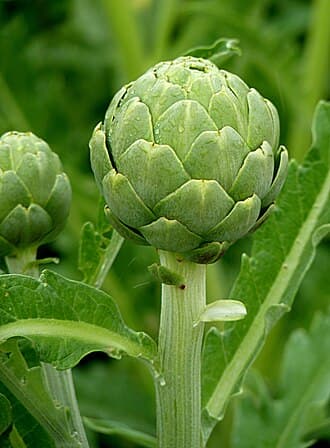
vegetableGlobe artichokes are Mediterranean perennials grown for their large, edible flower buds that develop into impressive thistle-like heads. They prefer warm, frost-free climates or can be grown as annuals in cooler regions. Plants are ornamental and productive, yielding multiple buds per season.
Common Problems
Select the problem your Artichoke Globe is experiencing to get a treatment guide.
Care Guide
Toxicity
Globe artichokes are entirely safe; buds and hearts are edible and nutritious.
Common Diseases
Common Pests
Seasonal Care
Resume regular watering and feeding as growth picks up.
Peak growing season. Water and feed regularly.
Reduce watering as growth slows. Stop heavy feeding.
Minimal watering and feeding. Protect from frost if needed.
Frequently Asked Questions
How many artichoke buds will one Globe Artichoke plant produce?
A mature plant is productive and yields multiple buds per season, with the central bud maturing first followed by smaller side buds — harvest buds while still tight before the scales begin to open.
Can Globe Artichoke survive winter outdoors?
It tolerates light frost but dislikes hard freezes — in cold zones, grow it as an annual or mulch heavily over winter to protect the crown, since it's a Mediterranean perennial adapted to warm, frost-free climates.