Cranberry
Vaccinium macrocarpon
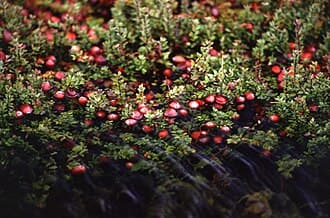
fruitCranberry is a low-growing, trailing vine producing tart red berries that are harvested in autumn for culinary and medicinal uses. These plants thrive in wet, acidic soils and are often grown in flooded bog conditions, though home gardens can accommodate them in containers or moist beds. Cranberries are highly nutritious and valued for juices, sauces, and traditional holiday fare.
Common Problems
Select the problem your Cranberry is experiencing to get a treatment guide.
Care Guide
Toxicity
Non-toxic and widely consumed; used medicinally to support urinary health
Common Diseases
Common Pests
Seasonal Care
Resume regular watering and feeding as growth picks up.
Peak growing season. Water and feed regularly.
Reduce watering as growth slows. Stop heavy feeding.
Minimal watering and feeding. Protect from frost if needed.
Similar Plants
Frequently Asked Questions
Does Cranberry really need standing water to grow?
It thrives with it — high humidity and bog or wet conditions replicate its native habitat, and standing water is acceptable, unlike most other fruiting plants.
Can I grow Cranberry in a home garden without a bog?
Yes — home gardens can accommodate it in containers or consistently moist, very acidic beds (pH 4.0–5.5) even without full commercial flooded bog conditions.