Ginkgo
Ginkgo biloba
treeverifiedReviewed by the GreenScout Team
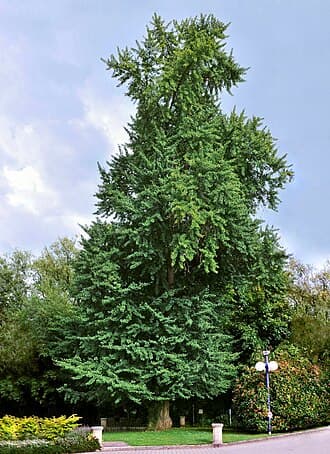
An ancient deciduous tree native to China with distinctive fan-shaped leaves that turn brilliant golden-yellow in autumn. Ginkgo is exceptionally hardy, long-lived, and resistant to pests, diseases, and pollution, making it ideal for urban landscapes. Male trees are preferred in landscaping as females produce malodorous fruit.
Common Problems
Select the problem your Ginkgo is experiencing to get a treatment guide.
Care Guide
light_mode
Light
Full sun (6+ hours daily) for best color and growth; tolerates partial shade but autumn color is less vibrant.
water_drop
Water
Moderate water during establishment; drought-tolerant once mature. Water deeply in dry periods but allow soil to dry between waterings.
compost
Soil
Tolerates a wide range of soils including poor, compacted, and slightly alkaline conditions. Well-draining soil is preferred but not essential.
science
Fertiliser
Minimal fertilization needed; established trees rarely require supplemental feeding. Light balanced fertilizer in spring if desired.
thermometer
Temperature
Extremely cold-hardy and heat-tolerant; thrives in zones 3–8. Tolerates temperature extremes and urban stress well.
humidity_percentage
Humidity
Adaptable to various humidity levels; drought-tolerant and not sensitive to dry air once established.
Toxicity
check_circleSafe for Catscheck_circleSafe for Dogscheck_circleSafe for Children
Non-toxic; seeds are edible in some Asian cuisines, though raw seeds contain compounds that may cause mild digestive upset.
Common Diseases
Common Pests
Seasonal Care
local_floristspring
Resume regular watering and feeding as growth picks up.
light_modesummer
Peak growing season. Water and feed regularly.
ecoautumn
Reduce watering as growth slows. Stop heavy feeding.
ac_unitwinter
Minimal watering and feeding. Protect from frost if needed.
More from GreenScout
assignmentwater_dropmapcomparedangerousarticle
Get a personalised care plan
AI-generated for your plant
Watering calculator
How often should you water?
Find your USDA zone
Check if this plant suits your climate
Compare this plant
Side-by-side with similar species
Toxicity guide
Safe for pets and children?
Plant care articles
Expert guides and how-tos