Potato
Solanum tuberosum
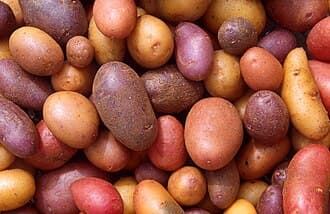
vegetablePotatoes are starchy root vegetables that develop underground from seed tubers, forming one of the world's most important staple crops. They adapt to diverse growing conditions and produce high yields in relatively small spaces. Varieties range from waxy (good for boiling) to floury (ideal for baking), offering versatility in the kitchen.
Common Problems
Select the problem your Potato is experiencing to get a treatment guide.
Care Guide
Toxicity
Green parts, sprouts, and raw tubers contain solanine alkaloid, which is toxic. Only cooked tubers are safe.
Common Diseases
Common Pests
Seasonal Care
Resume regular watering and feeding as growth picks up.
Peak growing season. Water and feed regularly.
Reduce watering as growth slows. Stop heavy feeding.
Minimal watering and feeding. Protect from frost if needed.
Similar Plants
Frequently Asked Questions
Why do green Potatoes need to be discarded?
Green parts, sprouts, and raw tubers contain solanine alkaloid, which is toxic — only cooked, non-green tubers are safe, so cut away any green patches or discard visibly green potatoes entirely.
Why is soil temperature so important for growing Potatoes?
Tuber formation improves in cooler soil — Potatoes are a cool-season crop that grows best at 60–70°F, and consistent moisture is especially critical during the tuber development phase.