Sweet Pea
Lathyrus odoratus
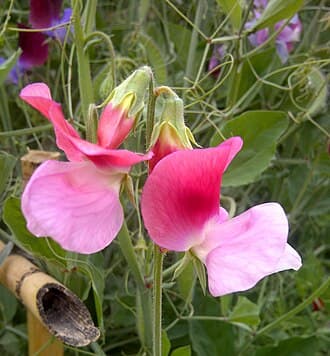
flowerAn annual climbing vine producing fragrant, butterfly-shaped flowers in a wide range of colors. Sweet peas bloom prolifically when deadheaded regularly and prefer cool growing conditions, making them ideal for spring and autumn gardens.
Common Problems
Select the problem your Sweet Pea is experiencing to get a treatment guide.
Care Guide
Toxicity
Seeds and pods contain lathyrogens, which are toxic if ingested in quantity. Can cause lathyrism (neurolathyrism) with prolonged consumption.
Common Diseases
Common Pests
Seasonal Care
Resume regular watering and feeding as growth picks up.
Peak growing season. Water and feed regularly.
Reduce watering as growth slows. Stop heavy feeding.
Minimal watering and feeding. Protect from frost if needed.
Similar Plants
Frequently Asked Questions
Is Sweet Pea safe to eat like garden peas?
No — despite the name and pea-like appearance, its seeds and pods contain lathyrogens that are toxic if ingested in quantity and can cause lathyrism with prolonged consumption; it's grown strictly as an ornamental.
How do I get more flowers from my Sweet Pea vine?
Deadhead regularly — Sweet Peas bloom prolifically when spent flowers are removed promptly, which also prevents the plant from putting energy into seed pod production instead of new blooms.