Viburnum
Viburnum opulus
shrubverifiedReviewed by the GreenScout Team
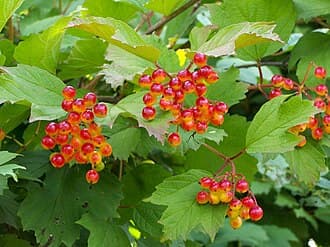
A vigorous, deciduous shrub renowned for its white lacecap flowers in late spring, followed by clusters of bright red berries that mature to black in autumn. The maple-like foliage displays striking purple-red fall color. Also known as guelder rose, this native shrub is valuable for wildlife, providing nectar, pollen, and food for birds.
Common Problems
Select the problem your Viburnum is experiencing to get a treatment guide.
Care Guide
light_mode
Light
Full sun to partial shade; prefers at least 4 hours of direct sunlight for best flowering
water_drop
Water
Moderate watering; keep soil consistently moist during growing season, reduce in winter
compost
Soil
Fertile, well-draining soil; adaptable to most soil types including slightly alkaline soils
science
Fertiliser
Apply balanced fertilizer in early spring; generally low-maintenance
thermometer
Temperature
Very hardy and cold-tolerant; thrives in cool to temperate climates
humidity_percentage
Humidity
Tolerates average humidity; performs well in moist locations
Toxicity
check_circleSafe for Catscheck_circleSafe for DogsdangerousToxic to Children
Berries may cause mild stomach upset if ingested in large quantities; generally considered low toxicity
Common Diseases
Common Pests
Seasonal Care
local_floristspring
Resume regular watering and feeding as growth picks up.
light_modesummer
Peak growing season. Water and feed regularly.
ecoautumn
Reduce watering as growth slows. Stop heavy feeding.
ac_unitwinter
Minimal watering and feeding. Protect from frost if needed.
More from GreenScout
assignmentwater_dropmapcomparedangerousarticle
Get a personalised care plan
AI-generated for your plant
Watering calculator
How often should you water?
Find your USDA zone
Check if this plant suits your climate
Compare this plant
Side-by-side with similar species
Toxicity guide
Safe for pets and children?
Plant care articles
Expert guides and how-tos