Apricot Fruit
Prunus armeniaca
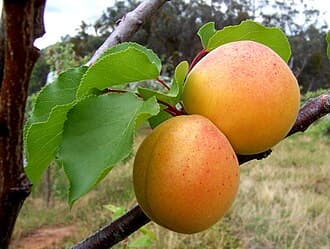
fruitApricots are deciduous stone fruit trees bearing golden-orange fruits with a delicate, sweet flavor, excellent fresh or dried. These trees prefer warmer climates and full sun but are surprisingly hardy; they require careful site selection to avoid late spring frosts that kill blossoms. Many varieties are self-fertile, though cross-pollination improves yields.
Common Problems
Select the problem your Apricot Fruit is experiencing to get a treatment guide.
Care Guide
Toxicity
Fruit flesh is safe; pits contain amygdalin but pose no risk if swallowed whole. Do not crack or consume pit kernels.
Common Diseases
Common Pests
Seasonal Care
Resume regular watering and feeding as growth picks up.
Peak growing season. Water and feed regularly.
Reduce watering as growth slows. Stop heavy feeding.
Minimal watering and feeding. Protect from frost if needed.
Similar Plants
Frequently Asked Questions
Why did my Apricot tree's blossoms die in a late frost?
Apricot blossoms are extremely frost-tender, so careful site selection away from frost pockets, or active frost protection during flowering, is essential to prevent losing the crop.
Are apricot pits safe if a child swallows one accidentally?
The fruit flesh is safe, and the pit poses no risk if swallowed whole, but the kernel inside contains amygdalin and should never be cracked open and eaten.