Edamame
Glycine max
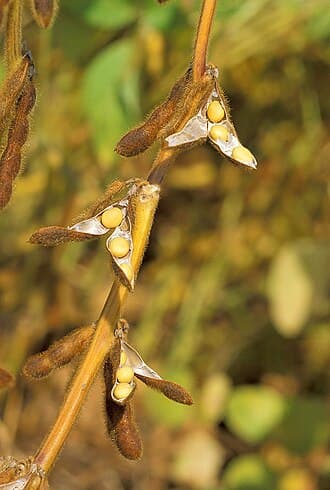
vegetableEdamame are immature soybean pods harvested at their peak when pods are green and beans are tender and sweet. They are a nutritious, protein-rich crop that thrives in warm-season gardens. Edamame requires full sun and warm temperatures to develop properly.
Common Problems
Select the problem your Edamame is experiencing to get a treatment guide.
Care Guide
Toxicity
Edamame is safe for all; cooked beans are commonly consumed by humans; uncooked raw beans contain compounds that require cooking to neutralize
Common Diseases
Common Pests
Seasonal Care
Resume regular watering and feeding as growth picks up.
Peak growing season. Water and feed regularly.
Reduce watering as growth slows. Stop heavy feeding.
Minimal watering and feeding. Protect from frost if needed.
Similar Plants
Frequently Asked Questions
When should I pick Edamame pods?
Harvest at their peak when pods are still green and the beans inside are tender and sweet — waiting too long lets the beans mature and toughen, losing the characteristic edamame texture.
Can I eat raw Edamame straight from the pod?
No — uncooked raw beans contain compounds that need cooking to neutralize, so steam or boil the pods before eating, which is standard practice for this protein-rich soybean crop.