Culantro
Eryngium foetidum
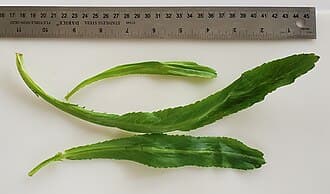
herbCulantro is a pungent herb native to Central and South America with long, serrated leaves that offer a stronger cilantro-like flavor. It thrives in warm, humid conditions and is commonly used in Caribbean and Asian cuisines. Unlike cilantro, culantro is slower to bolt and provides a longer harvest season.
Common Problems
Select the problem your Culantro is experiencing to get a treatment guide.
Care Guide
Toxicity
Non-toxic to humans and pets; safe for culinary use
Common Diseases
Common Pests
Seasonal Care
Resume regular watering and feeding as growth picks up.
Peak growing season. Water and feed regularly.
Reduce watering as growth slows. Stop heavy feeding.
Minimal watering and feeding. Protect from frost if needed.
Similar Plants
Frequently Asked Questions
How is Culantro different from coriander?
Culantro has a stronger, more pungent cilantro-like flavor from its long serrated leaves, is slower to bolt than coriander, and provides a longer harvest season — it also prefers warm, humid conditions rather than coriander's cooler preferences.
Why does my Culantro need more humidity than other herbs?
It's native to warm, humid regions of Central and South America and prefers high humidity (60–80%) — mist the foliage regularly or use a humidity tray if growing indoors.