Garlic
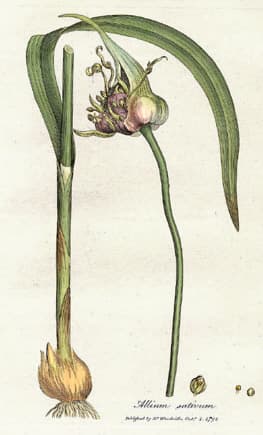
Allium sativum
vegetableGarlic is planted in autumn and harvested in summer. It's one of the easiest and most rewarding vegetables to grow, requiring minimal care once established.
Common Problems
Select the problem your Garlic is experiencing to get a treatment guide.
Care Guide
Toxicity
Toxic to cats and dogs in large quantities.
Common Diseases
Common Pests
Seasonal Care
Resume regular watering and feeding as growth picks up.
Peak growing season. Water and feed regularly.
Reduce watering as growth slows. Stop heavy feeding.
Minimal watering and feeding. Protect from frost if needed.
Similar Plants
Frequently Asked Questions
When should I stop watering Garlic?
Stop watering when the leaves begin to yellow — this signals the bulbs are finishing up, and drying out the soil at this stage helps the bulbs cure properly for storage.
Why do I need a cold period for Garlic to form bulbs?
Garlic needs vernalisation — exposure to cold — to trigger proper bulb formation, which is why it's typically planted in autumn so it experiences winter chill before resuming growth in spring.